
 98765432124/7
Support Center
98765432124/7
Support Center
What is your plant telling you?


The appearance of your plant’s foliage can indicate the state of health of your plant. This is because the colors of the leaves can vary depending on the nutrient deficiencies they have or the environmental conditions they are under. Therefore, in this article we will show you how to identify these signs.
1- Nitrogen deficiency
When plants have nitrogen deficiency, their leaves turn yellow or pale green. Besides, their growth slowed down, and it could be uneven. This issue could be solved by adding ground coffee to the substrate or planting nitrogen-rich species, like peas and beans, in the same pot as the plant.
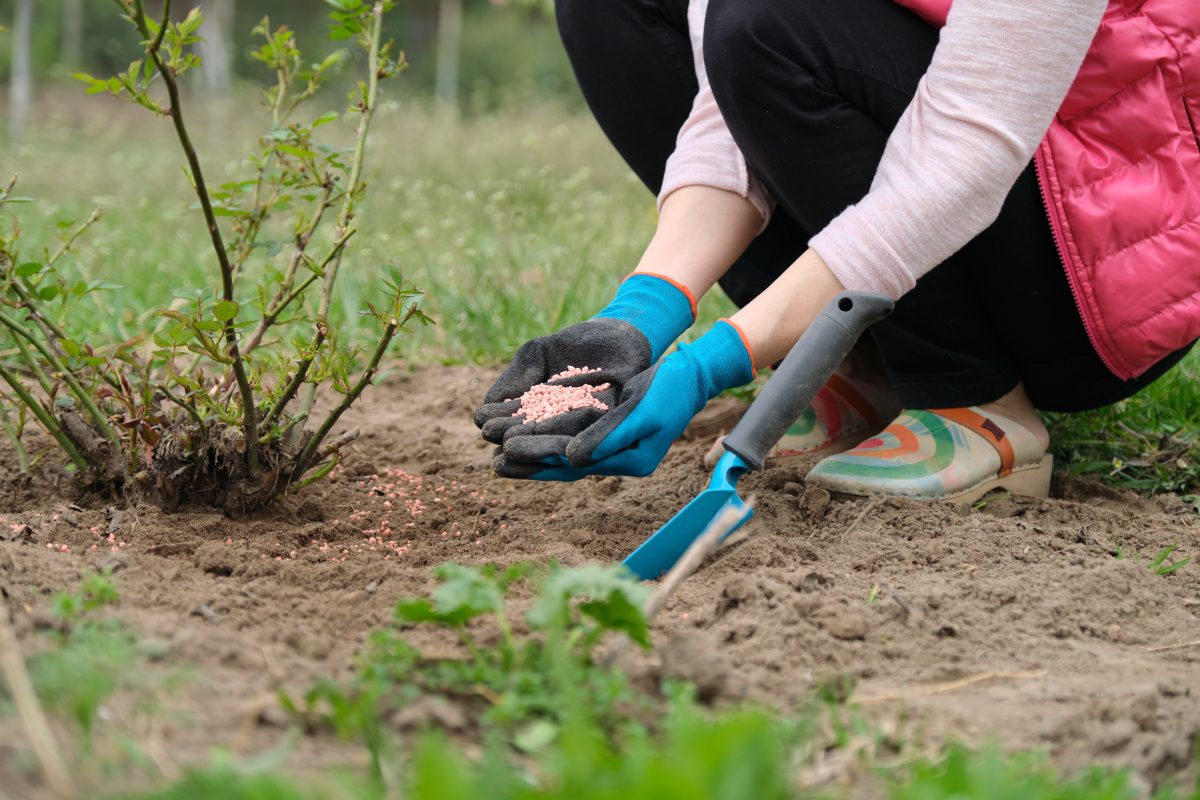
2- Phosphorus deficiency
When the edges of the leaves turn black or brown, the plant is not blooming or the growth is irregular, it could be very likely that the plant is experiencing phosphorus deficiency. This could be treated by adding bone meal to the substrate, and taking out the rotten roots (if there are any) and regulating the pH of the plant.
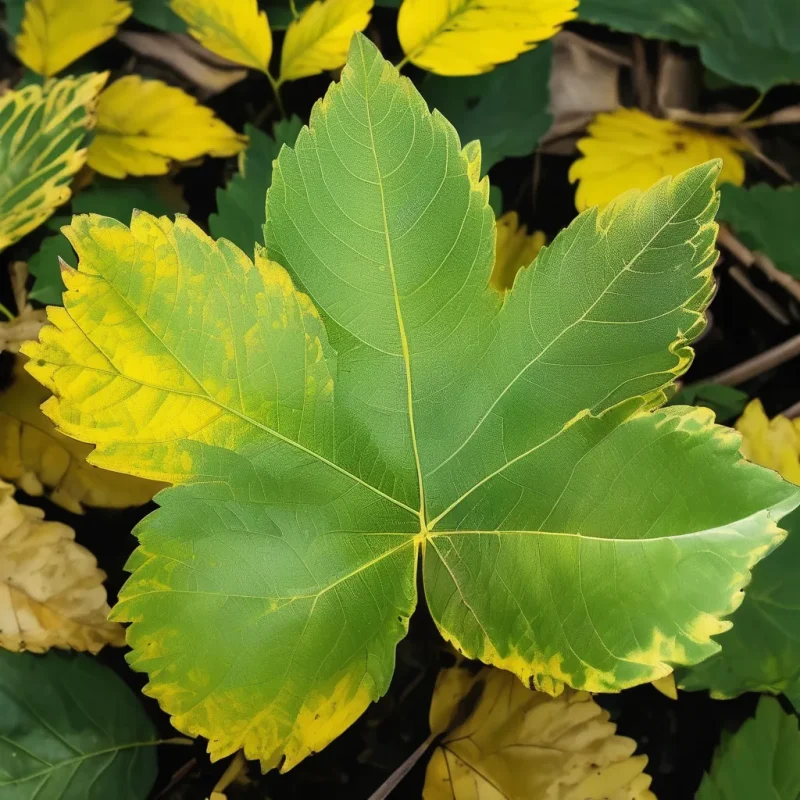
3- Potassium deficiency
The leaves turn brown at the edges and their venation turns yellow when there is potassium deficiency. When plants have this deficiency, they are more susceptible to diseases and the adverse effects of drought. To treat this problem, it is recommended to bury a banana peel in the substrate.
4- Magnesium deficiency
The venations and the edges of the leaves turn to a yellowish color. Also, the leaves may start to have a marbled appearance. To treat this deficiency, it is recommended to add Epsom salts to the substrate before watering the plant.
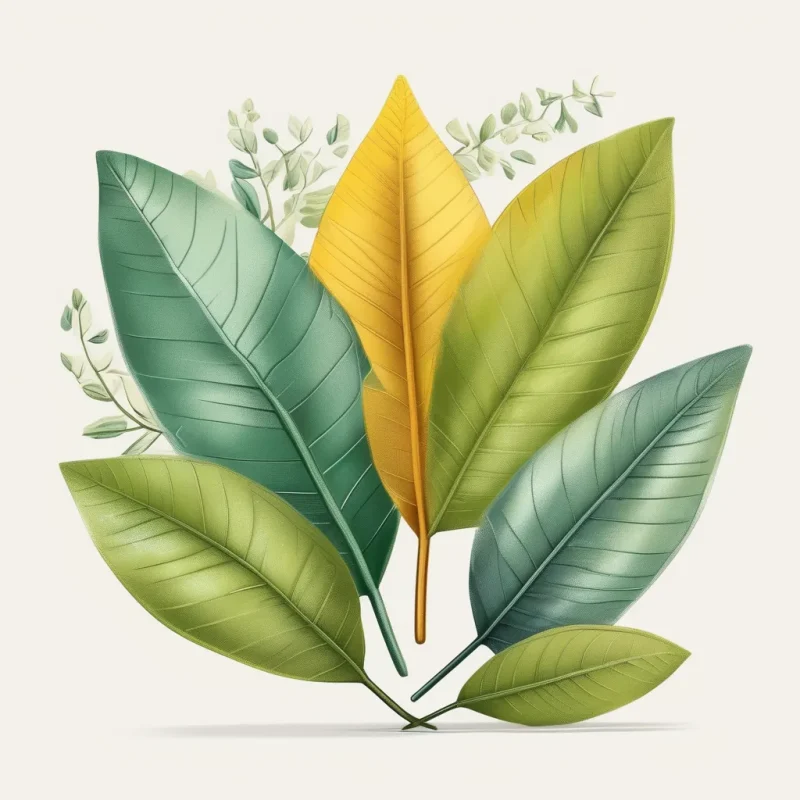
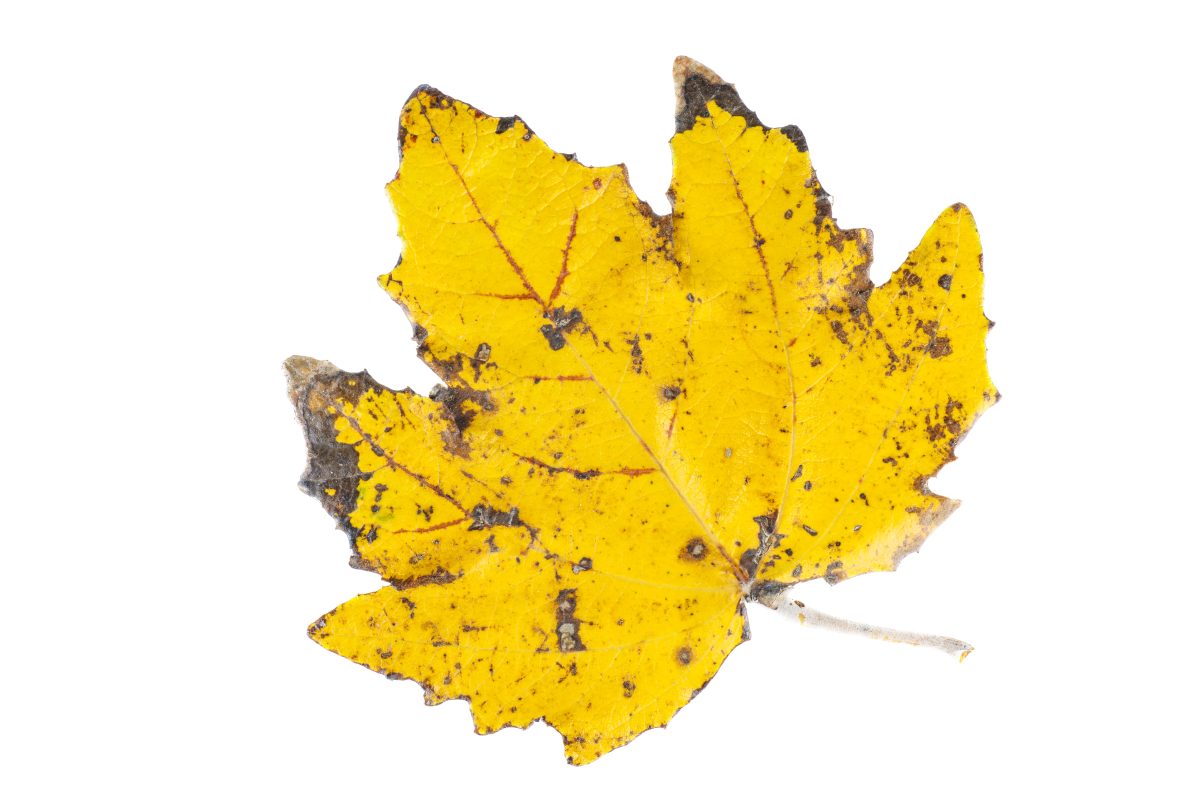
5- Calcium deficiency
It occurs when the plant has yellow and/or brown spots between the venations, the flowers are rotten at the top, and the leaves are weak. Adding ground eggshell to the substrate can help the plants overcome this deficiency. However, for this to be truly efficient, it is important that the eggshell is placed even in the deepest points of the pot.