98765432124/7
Support Center
98765432124/7
Support Center
Types of Substrates

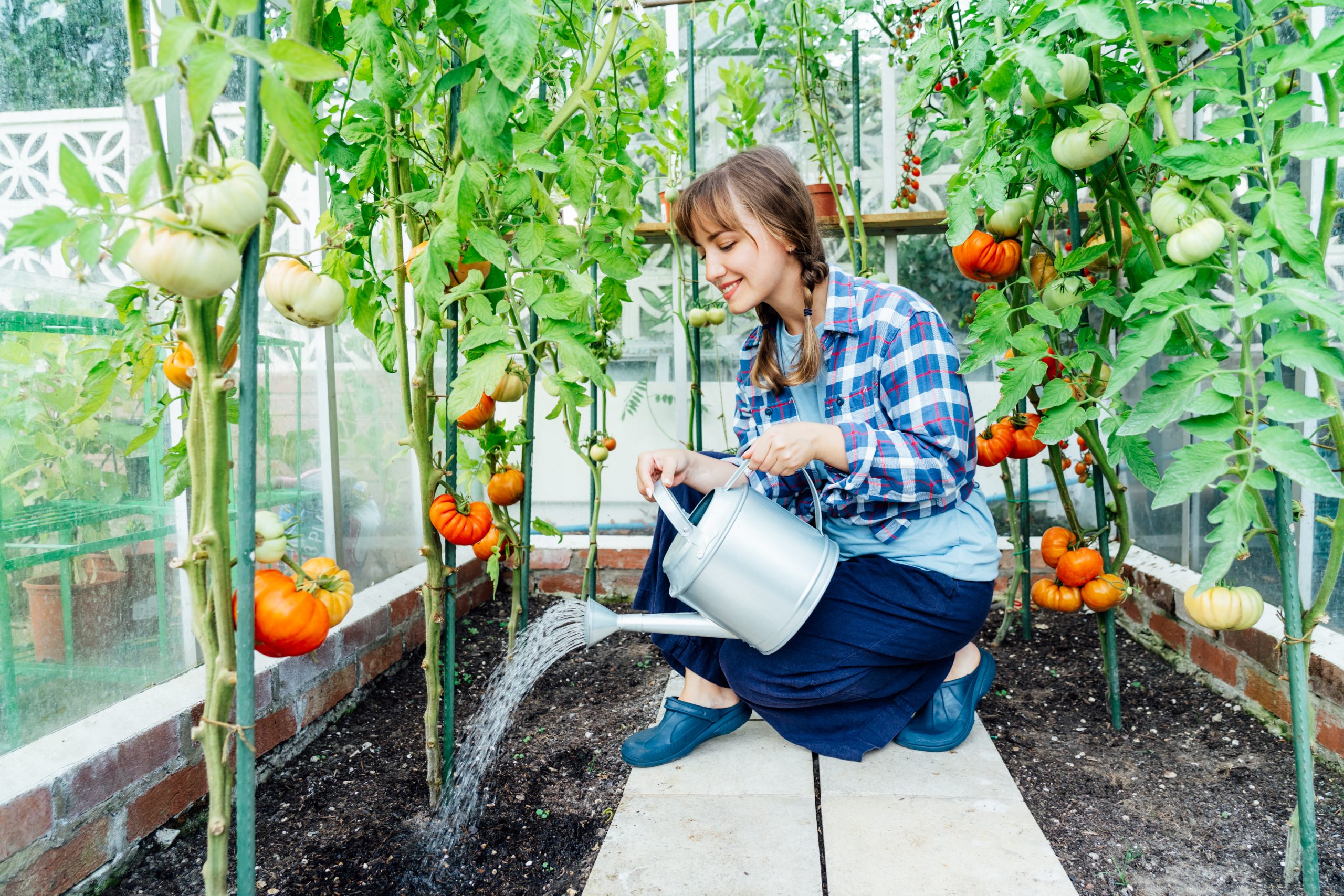
Due to the great diversity of mechanisms that plants have, and the different survival conditions, many species need different types of soils or substrates to grow in optimal conditions. But what are the different types of substrates, and what are their functions?
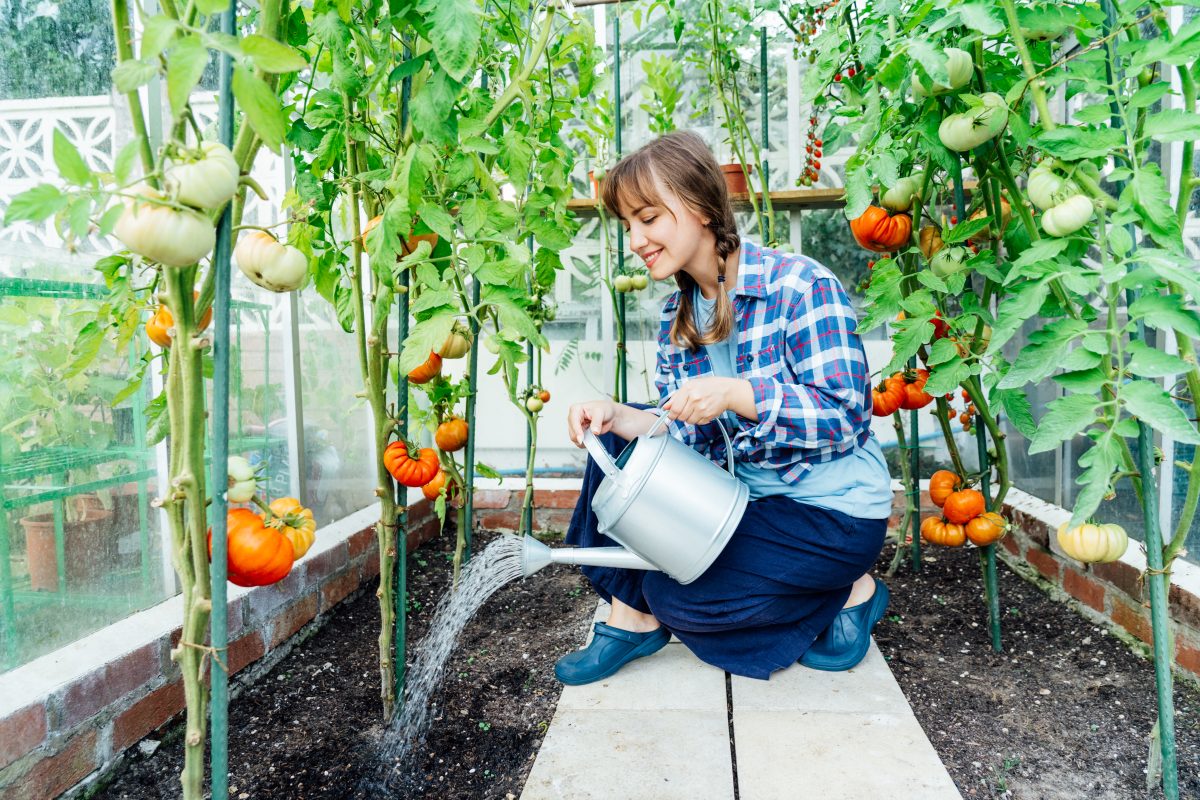
- Water: Although all plants need a certain amount of water to survive, there are some species that can grow on an aquatic surface and receive all the necessary nutrients. This occurs with plants such as algae and some species in their juvenile stage.
- Peat: This is one of the most used substrates in gardening and plant cultivation. Peat is naturally decomposed organic matter, found near rivers or lakes. There are two types, black and blond peat. Black peat has a basic pH (approximately 7 to 8.5), and it has a high organic decomposition and a few nutrients. Blond peat has an acidic pH (approximately 3 to 4), and lots of calcium and substances present in mosses, which are useful for decomposition. It is important to keep in mind that peat is very poor in nutrients, so it may be necessary to mix it with other types of substrates for optimal plant growth.
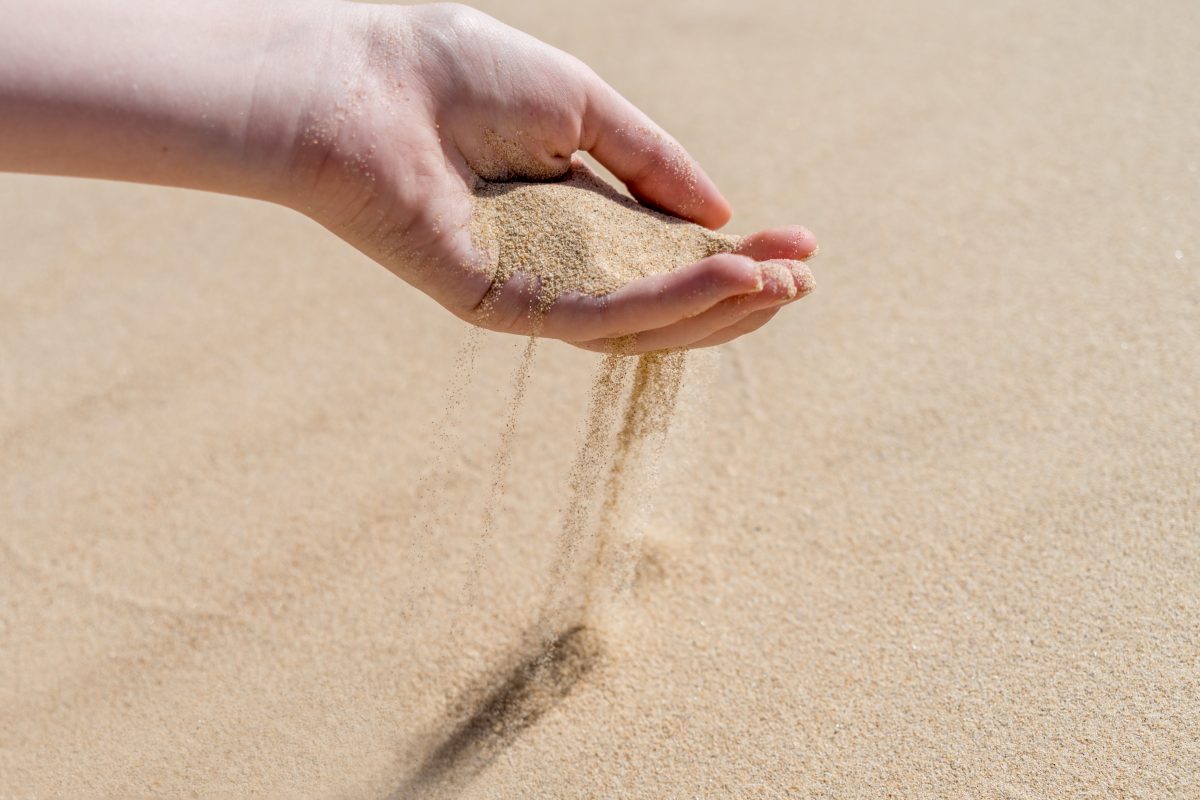
- Sand: Sand is a substrate with a medium water-holding capacity as it is made up of stones that meassure between 0.5 and 2.5 mm. This means that sand can be a very important substrate for spices that require high or constant humidity. Mixing this substrate with peat can give it a more solid consistency.
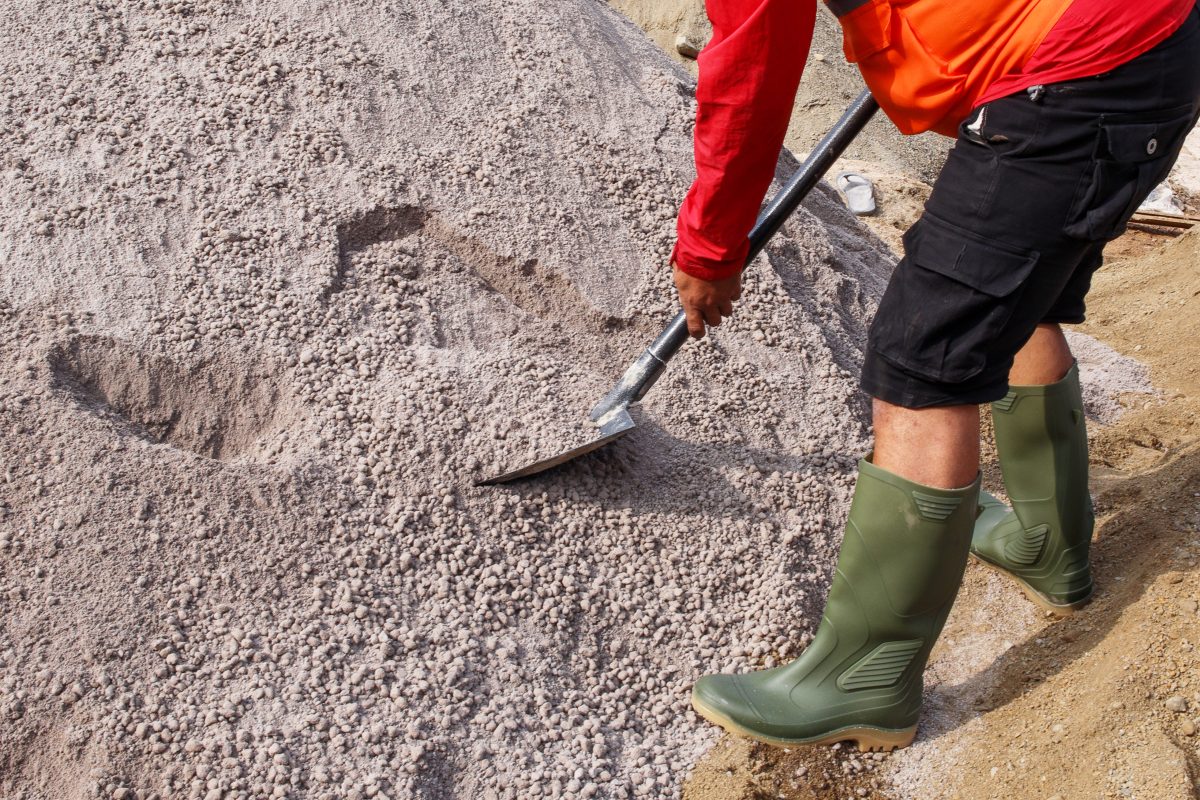
- Gravel: Gravel is very similar to sand, as it is composed of small rocks between 5 to 15 mm, so it is also used for water retention. Pumice, stones and quartz are what make up gravel.
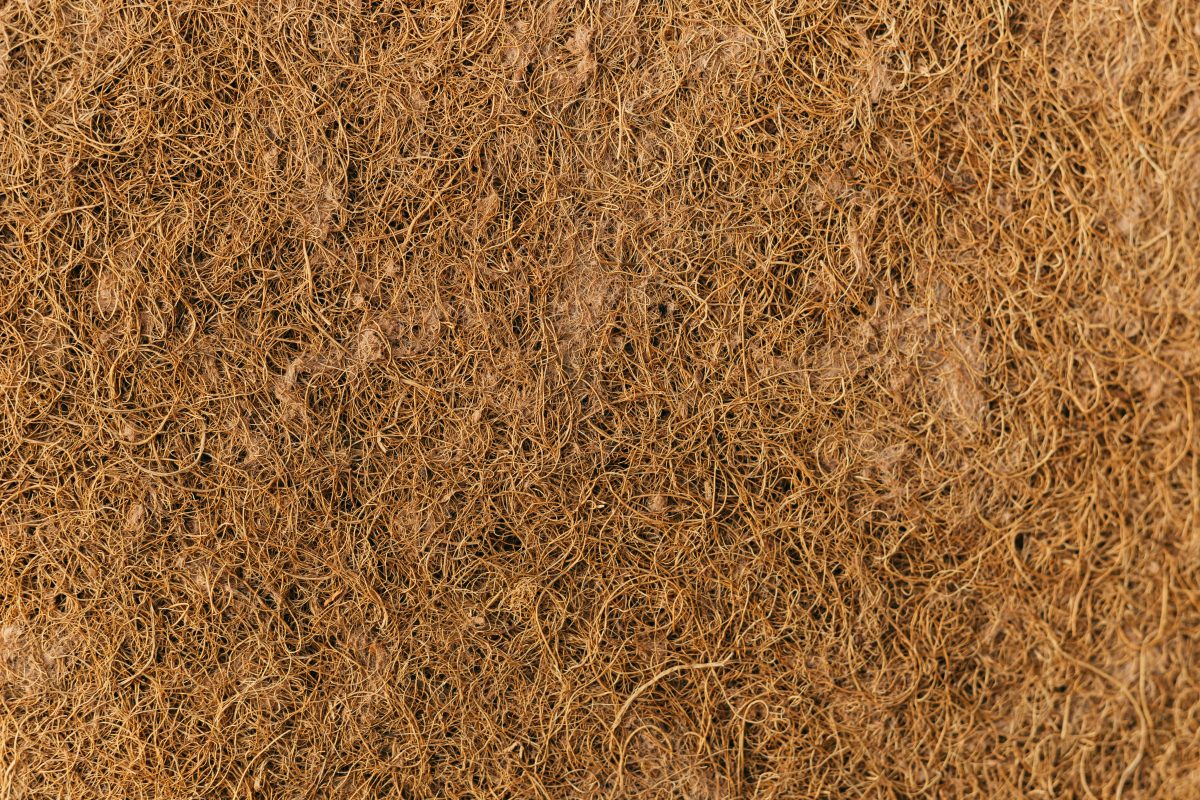
- Coconut Fiber: Coconut fiber is one of the most important substrates when looking for water retention, as it has a fibrous and hairy consistency. Therefore, it is recommended to mix it with peat and/or organic matter to obtain all the necessary nutrients for plant growth.
- Perlite: This is a high-density substrate, which like sand and gravel, is useful for water retention. Its pH is neutral, which makes it very versatile and adaptable to different conditions and plant species. In addition, this substrate is chemically active, which means that it can provide nutrients. Depending on the plant, perlite can be mixed with peat, coconut fiber, or sand.
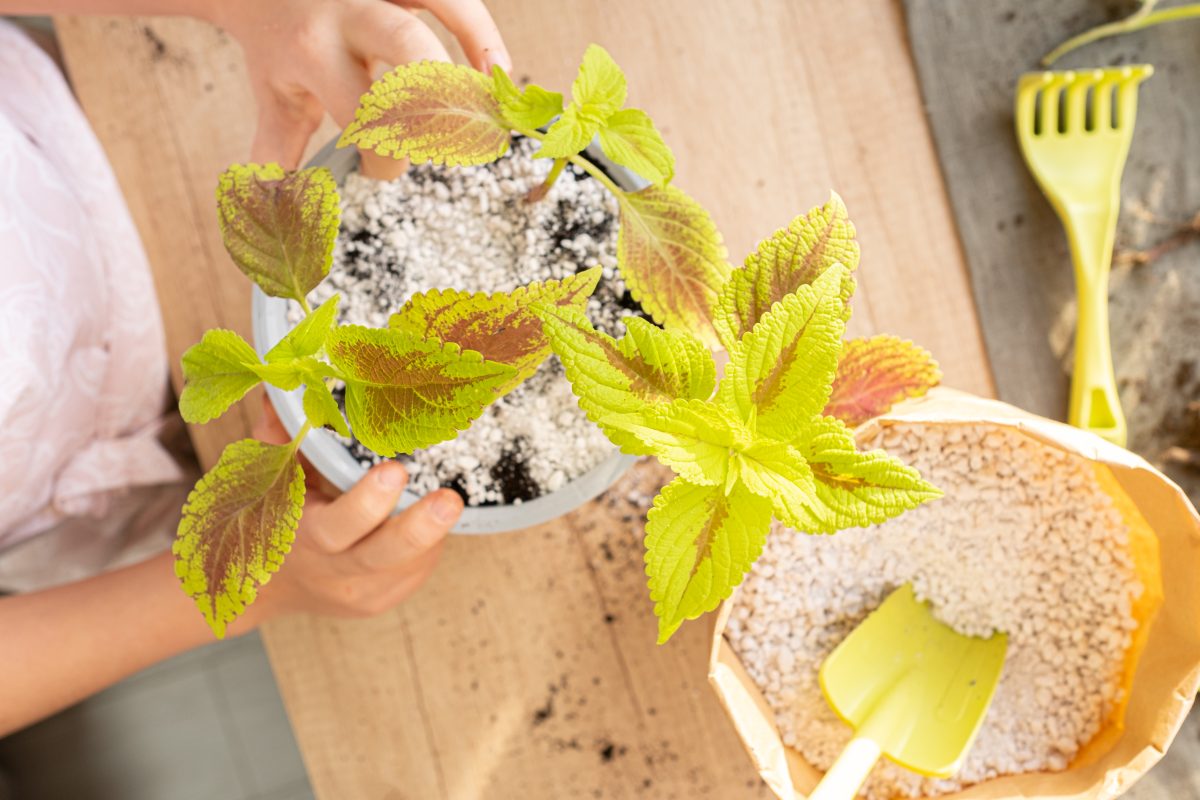
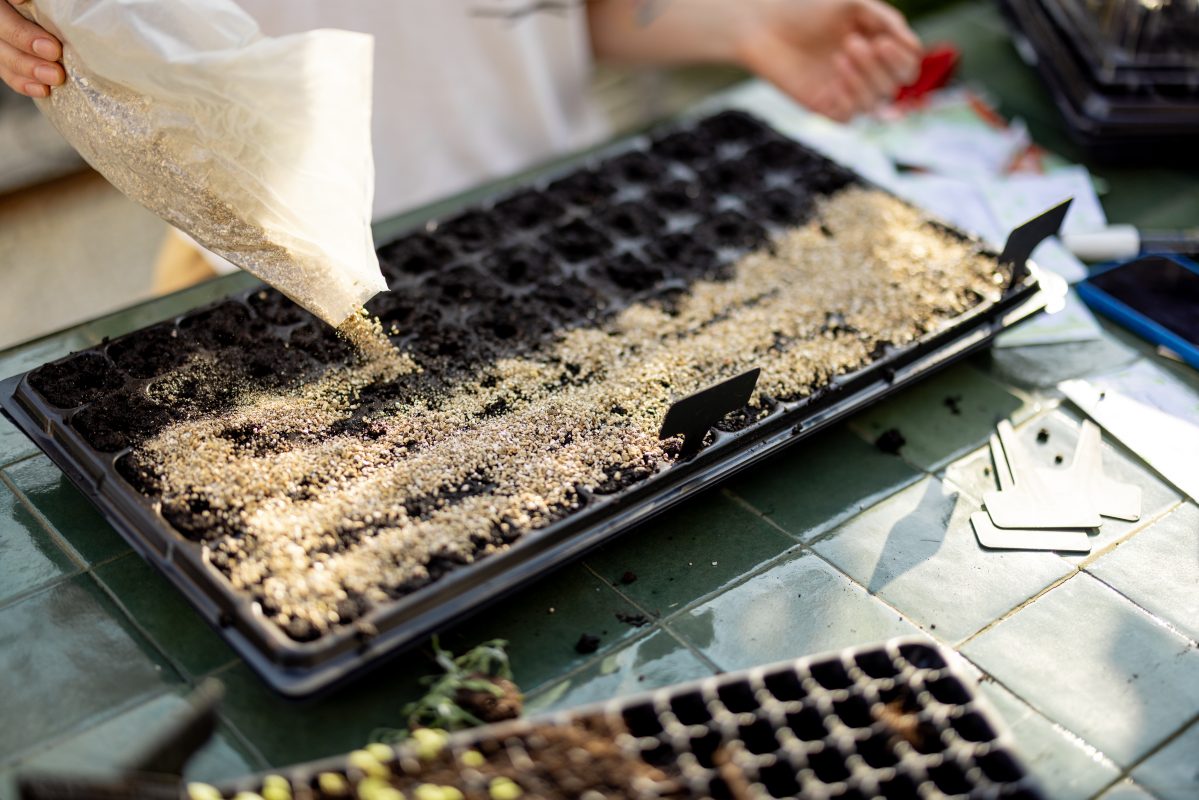
- Vermiculite: This is an alternative to perlite. It has a finer grain, retains water, and increases the absorption of the plant. However, this substrate can become compact after a short time, so it may be necessary to change it from time to time to prevent the plant from having a substrate that is too compact.
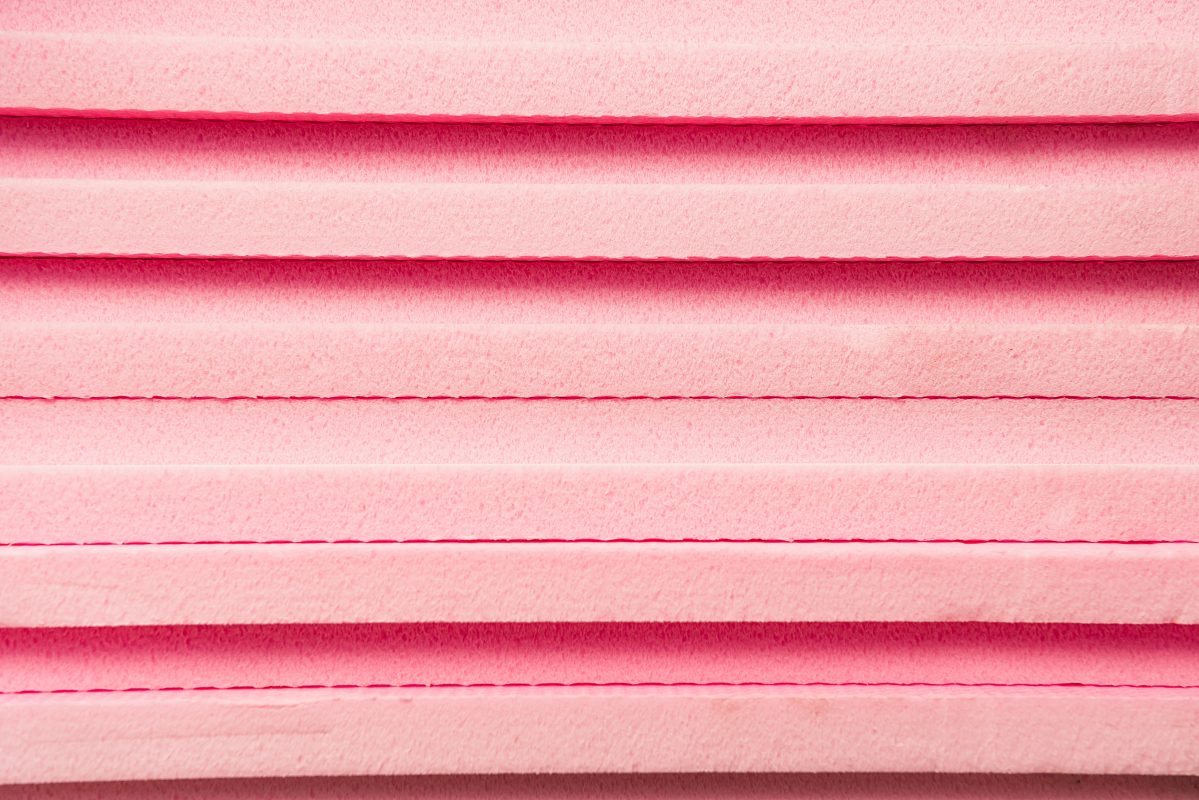
- Expanded polystyrene: This is a plastic and artificial substrate composed of white flocs between 4 and 12 mm. Its pH is basic, it has a low water retention capacity, and it is useful to increase the aeration of the plant. It is recommended to mix this substrate with other elements, to have a better soil composition.
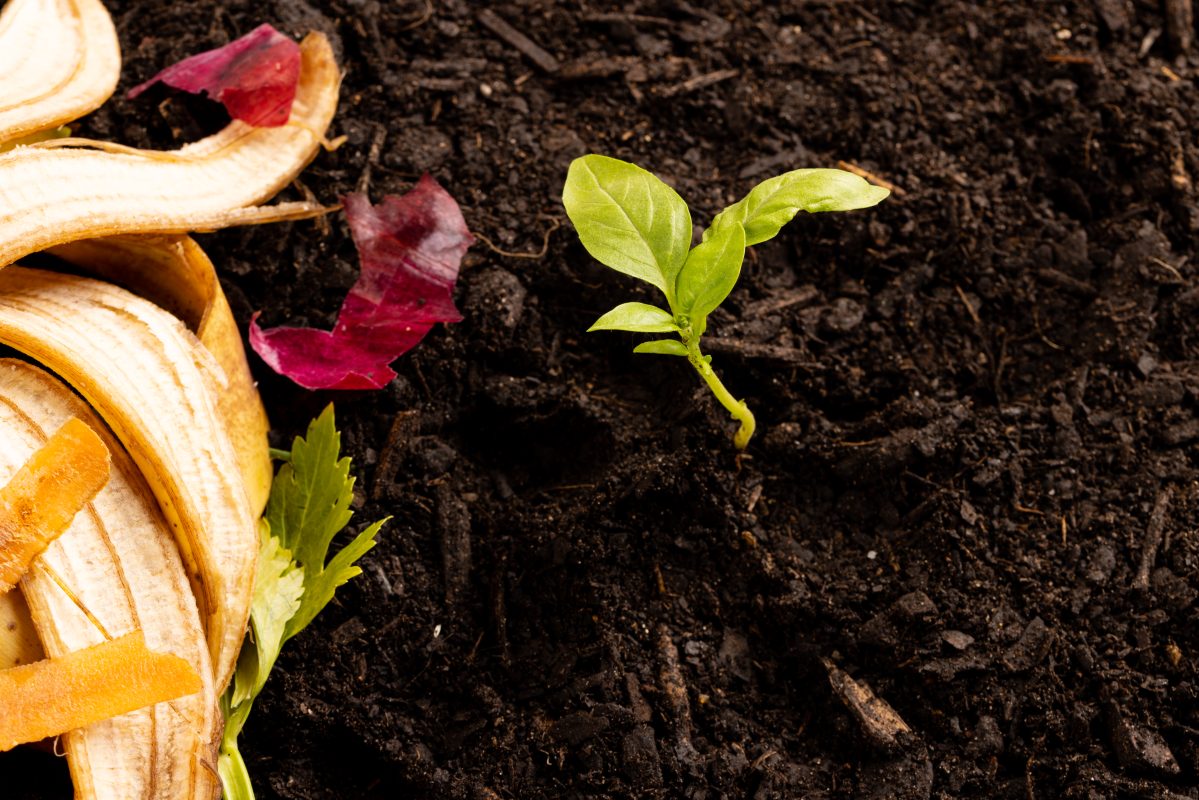
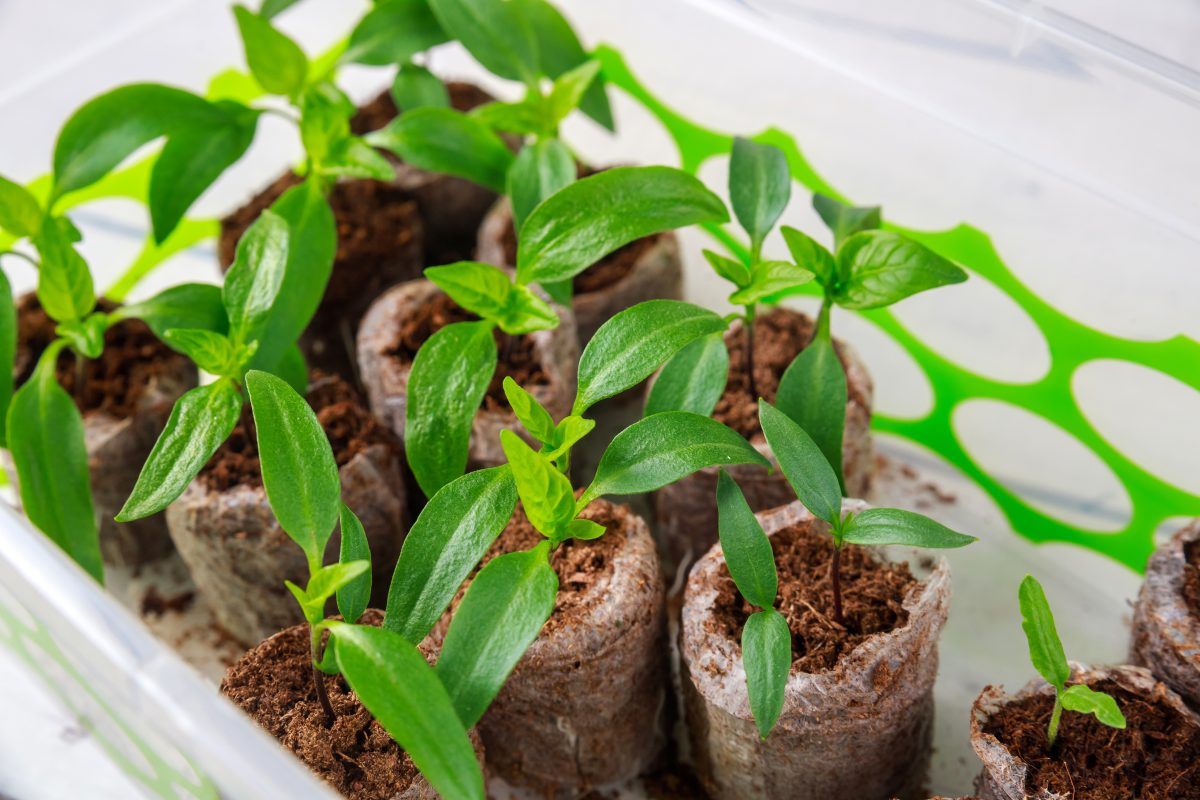
- Compost: Compost is a mixture of organic matter that is naturally decomposed. It is made up of fruit peels, vegetable peels, or organic waste, which makes it rich in nutrients. This means that compost works not only as soil but also as a balanced and high-quality fertilizer. This substrate can be important when plants need a lot of nutrients, vitamins, enzymes, and other substances. It can be mixed with other types of substrates.
- Hummus: Hummus, although similar to compost, is formed passively under natural conditions. More specifically, compost needs to generate conditions necessary to initiate decomposition, while hummus is created passively in the soil by decomposing microorganisms or earthworms. Hummus can be very favorable for water retention, aeration, and soil permeability. As you can see, there is a wide variety of substrates that you can use for your plants, and many of them can be mixed to generate the optimal conditions. Therefore, to choose the best substrate for your plants, you must take into account the amount of nutrients your plants need for growth, pH, water retention, aeration, and the possibility of pathogen growth. We hope this text has helped you understand a little more about the differences between the types of soils and components that can help your plants grow.