
 98765432124/7
Support Center
98765432124/7
Support Center
Plants metabolisms


You may be wondering “do plants have different types of metabolisms? Why, what is their use, and how are they different? Well, in this blog we will answer all your questions about it and we will define in more detail why photosynthesis and photorespiration are involved in these changes.

As you may know, photosynthesis is the process in which light energy is transformed into chemical energy in the form of sugars. In other words, the plant uses CO2 and water to produce oxygen and release sugars. On the other hand, photorespiration is the process in which plants use oxygen and produce carbon dioxide. This process is also done in the presence of light and the dissipation of the energy produced by photosynthesis. Therefore, it is possible to argue that photorespiration is the opposite process of photosynthesis and that it is a very difficult process for the plant.
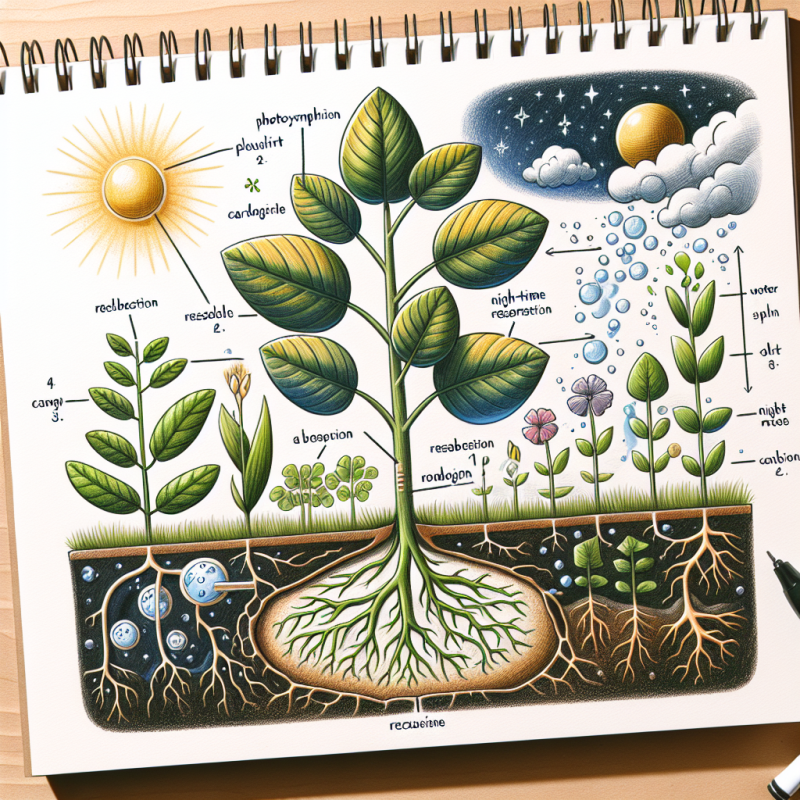
With this in mind, photosynthesis and photorespiration are two processes that take place during the production of energy by using sunlight. RuBisCO (an enzyme) is the sensor that allows the change or alternation between both processes. Photorespiration occurs more frequently in environments with high humidity and with greater heat, which can mean a great loss for the plant if it is found in environments such as deserts or tropical areas with extreme temperatures. This is why plants have adapted to these losses through modifications in their metabolisms, giving way to less costly processes in terms of oxygen and energy expenditure. These metabolisms are called CAM metabolism and C4 metabolism. C3 metabolism is the base and most common metabolism among plants. Each of these processes will be explained in more detail below.
C3 Metabolism
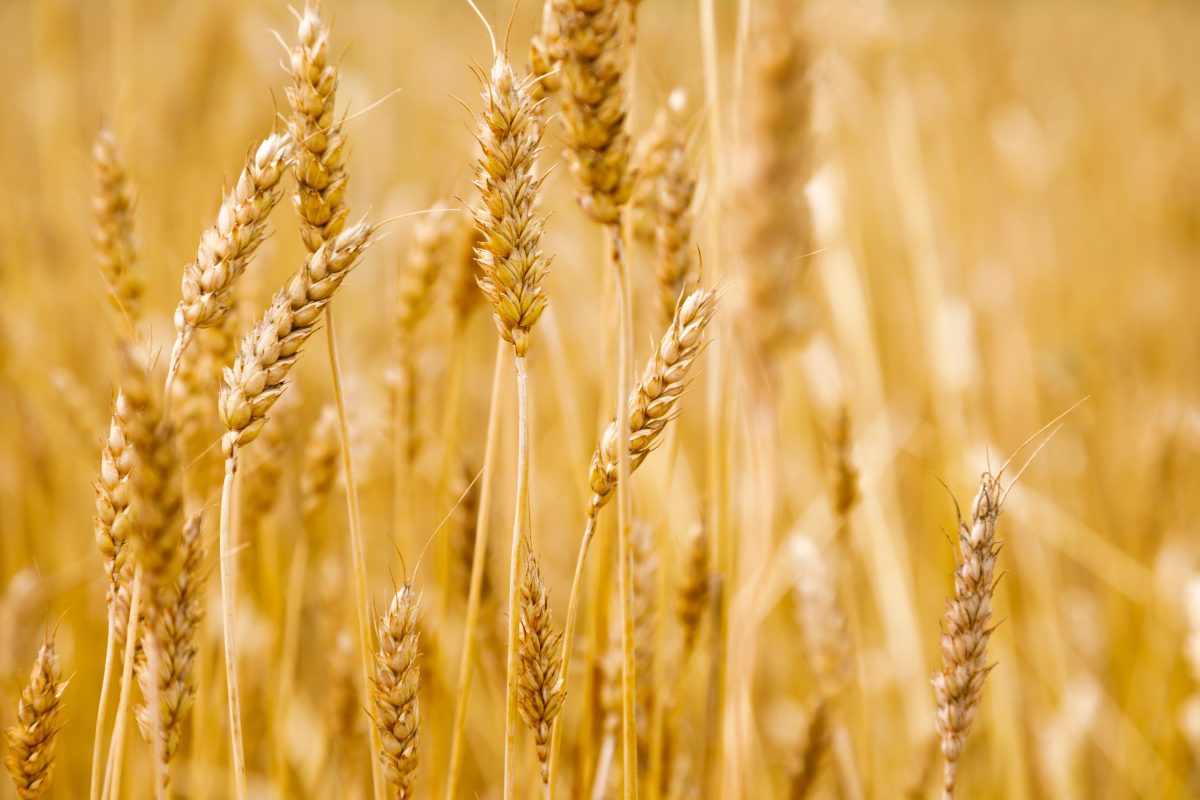
Plants with C3 metabolism do not have photosynthetic adaptations to reduce photorespiration. This is why it is known as the «normal» state of plants. Approximately 85% of plants have this metabolism. Some examples might be rice, wheat, soybeans, pines, dandelions, grapes, and all trees.
C3 type plants need adequate climatic conditions so that photorespiration does not occur excessively. This is why it is important that they have adequate sun exposure, that they are not dehydrated and that the pH is stable. For this reason, it is also important to understand which are the challenges that climate change could bring to plants that do not comply with adaptations that allow lower oxygen loss and energy expenditure.
C4 Metabolism
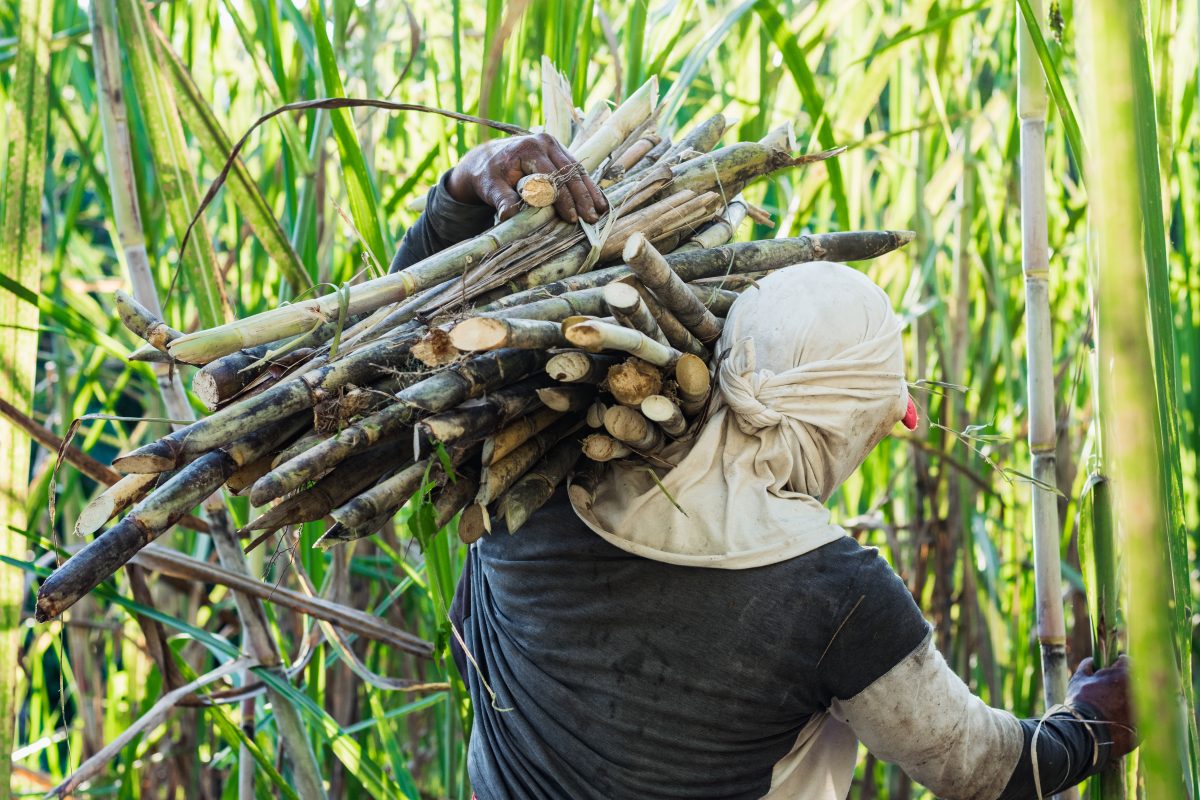
In C4 plants there is an adaptation that decreases photorespiration. To do this, divided physically. This separation prevents the plant from being at a high oxygen and water loss. This compartmentalization delays the processes that dehydrate plants and facilitates their survival in environments with difficult climatic conditions. However, this change in metabolism generates a higher energy expenditure (ATP). About 3% of plants have this mechanism. Some examples may be sugar cane, certain carnivorous plants, asterids, boraginales, and corn.
CAM metabolism
In CAM plants (plants with acid metabolism), what happens is that the processes are separated in time, which reduces photorespiration and allows the plant to be found in environments that generate severe water stress. This means that during the day, the plants do not open their stomata for photosynthesis and photorespiration to occur; they carry out other chemical processes and at night, when the temperature is lower, the plants open their stomata and allow the initiation of these processes. Some examples of these types of plants are succulents, vanilla, pineapple, and cacti.

To summarize, the adaptations of metabolisms make it easier for plants to survive in difficult environmental conditions, by regulating the rate of photosynthesis and photorespiration. Understanding this is of great importance to be able to know the care and environmental requirements that the different types of plants need. Thus, we become more aware of the importance of following the water, pH, and sun exposure requirements. In addition, understanding the different types of metabolisms can help us understand the possible problems that could arise in the survival of plants under the environmental changes produced by climate change.