98765432124/7
Support Center
98765432124/7
Support Center
Everything you need to know about photosynthesis


It is most likely that you have heard about photosynthesis, particularly about its importance for the growth and development of the plant, and its role in the exchange of carbon dioxide. The most precise definition for photosynthesis is that it is the process by which the energy of light is transformed into chemical energy in the form of sugar. But, what does this really mean and how does it occur?
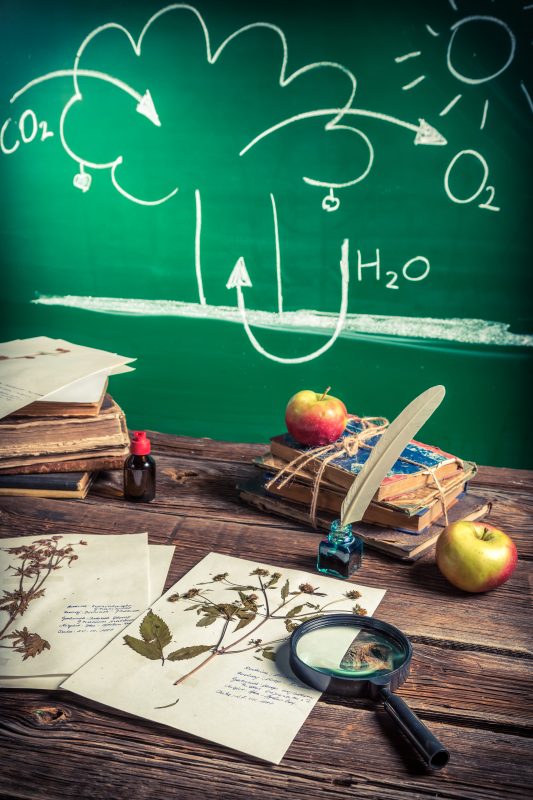
To begin with, it is important to understand which are the main actors in this process. The plant is the first participant in particular, the stomata of the epidermis of the leaves and chlorophyll. Stomata are small holes in the epidermis that open and close, letting carbon dioxide in and water out of the plant. On the other hand, chlorophyll is a pigment found in the chloroplasts of the plant, which allows the absorption of light.
The second actor in photosynthesis is the sun, which provides the light energy necessary to start the process. Lastly, water, carbon dioxide and oxygen are the other players in this process, as they are the molecules involved in producing energy and cleaning the air.
Now that we know all the actors in this process, it is possible to explain all the steps of the procedure. The first one is that the plant absorbs nutrients and water from the soil; once it collects them, they can circulate through the leaves. Subsequently, the light phase of photosynthesis begins. This step is where the plant uses light energy to convert carbon dioxide molecules, which enter through the stomata, and water that is recovered from the soil, into ATP (energy for the plant). Those responsible for this conversion are the chloroplasts, which contain chlorophyll.
In the dark phase, that is, when the plants do not receive light, the ATP produced in the light phase is transformed into organic matter through a complex chemical process that does not require sunlight. With these products, the plant can feed itself, produce new structures and grow. This is why plants are self-sufficient and can be said to produce their own food.
It’s important to note that when plants open their stomata to let in carbon dioxide, there can be a high water loss. The plant can lose up to half of its water when the plant photosynthesizes, so how do plants that live in deserts survive and not become dehydrated? Well, some of these plants, such as succulents and cacti, have a series of adaptations that allow the plants not to dehydrate when photosynthesizing. One of the most important adaptations is that they have a type of CAM metabolism (Acid Metabolism of Crusaceas), which allows plants to carry out the absorption and fixation of carbon at night, or in periods where direct light is not received! Do you want to learn a little more about photosynthesis and the different types of metabolisms? Don’t miss the next blog!